01Diagnose
Test the commercial reality
Downside · evidence · hidden value
Understand what could weaken value, what supports the case and where commercial upside may exist.
Revenue Execution tests the commercial engine behind the numbers — identifying what could undermine value, what can transfer under new ownership and where stronger commercial execution may unlock additional value before, during or after the transaction.
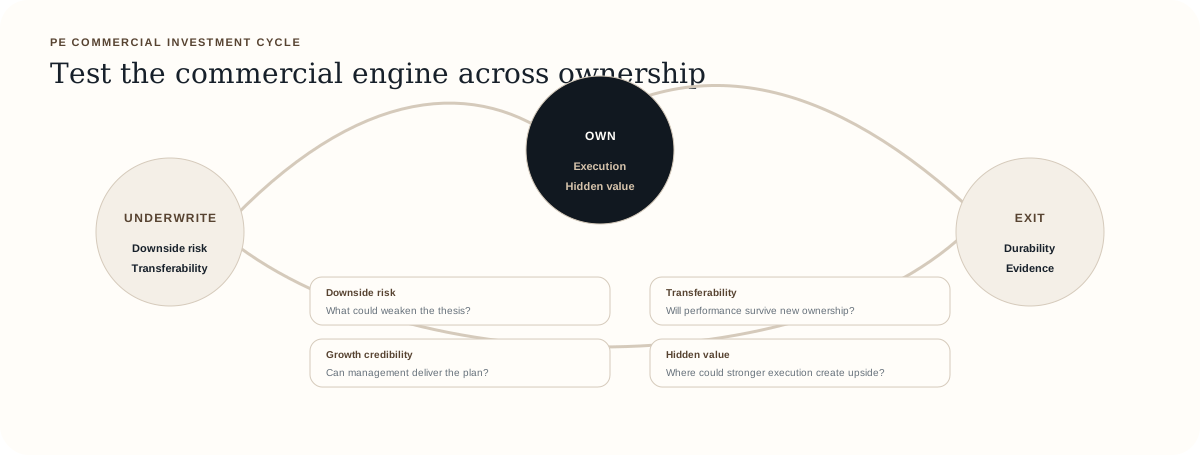
The commercial view needs to cover downside protection, transferability, growth credibility and hidden value — not simply identify red flags.
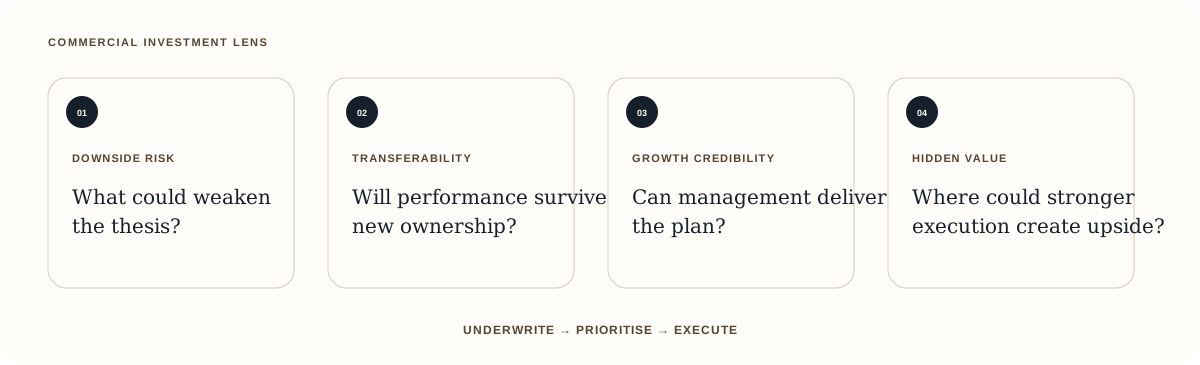
“What could undermine the thesis — and where is hidden value?”
Choose the review based on the decision horizon and how much of the commercial thesis needs to be tested.
Screen the risks, evidence gaps and hidden-value themes most likely to affect underwriting.
Test durability, transferability, growth credibility and hidden value across the commercial system.
“What could weaken buyer confidence if we went to market now?”
Use a focused review for immediate pressure points or a comprehensive review while there is still time to strengthen the commercial reality and evidence.
Get a buyer-eye view of the few commercial issues most likely to weaken confidence or create leverage.
Challenge the commercial case, strengthen the evidence and improve avoidable weaknesses before market.
These are separate programmes — not extra diligence tiers — for a business that is not ready yet, or one you already own and want to improve.
Build stronger commercial systems, evidence and management capability before institutional scrutiny forces the issue.
Turn pricing, customer, pipeline, sales and management-system opportunities into a prioritised execution agenda.
A simple example of how a review can make relative commercial strength and weakness visible before the detail is explored in the report.
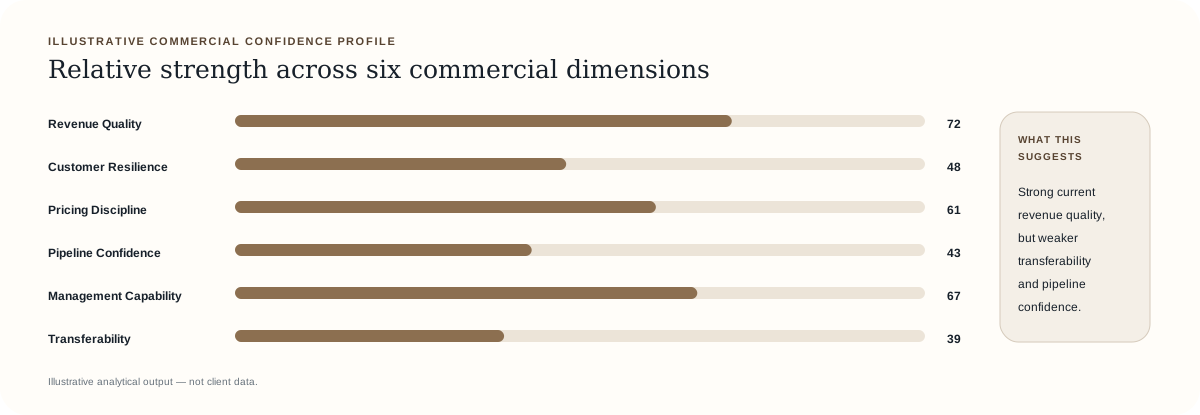
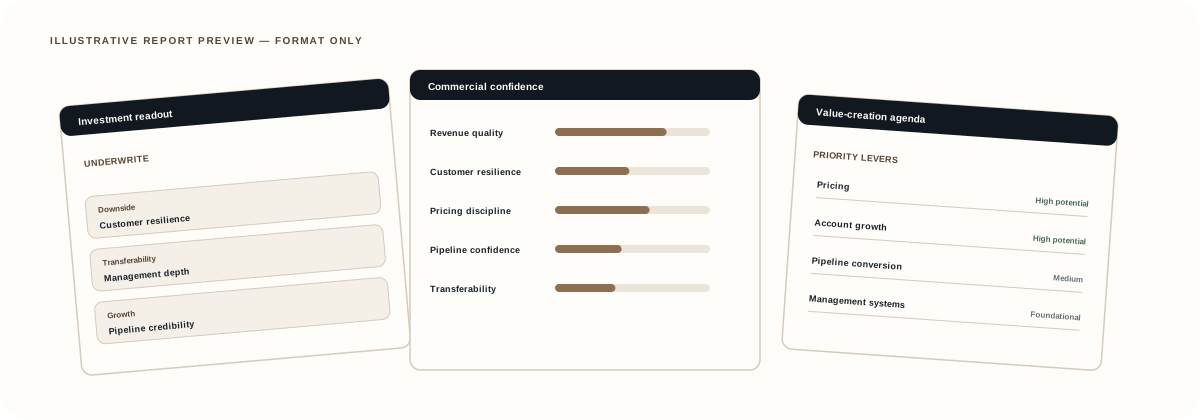
The final format will vary by investment situation, but the principle is consistent: commercial evidence translated into underwriting implications, ownership priorities and the actions that matter next.
A simple operating method that connects commercial evidence to the investment decision and, where relevant, ownership action.
Understand what could weaken value, what supports the case and where commercial upside may exist.
Translate findings into underwriting implications, management questions and ownership priorities.
Where separately scoped, move from the diagnosis into pricing, sales execution, management systems and value creation.
Tell us where you are in the decision and what needs to be true for you to proceed, pause, prepare or act.